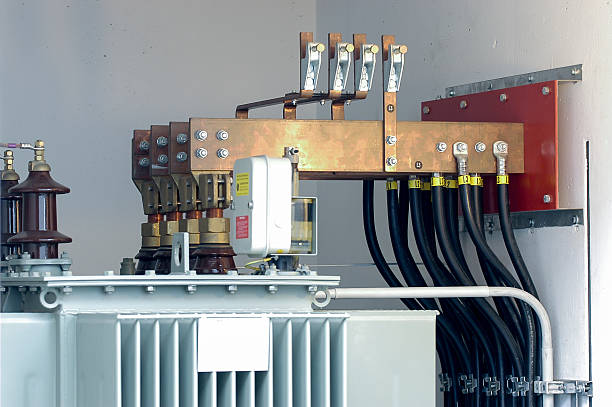
Advanced Zigzag Transformer for Industrial Power Distribution Needs
Introduction
Industrial power systems require more than just voltage transformation—they demand stability, harmonic control, fault protection, and efficient load balancing. As factories, data centers, and large commercial facilities grow more dependent on sensitive electronic equipment, power quality has become a critical concern. In this context, the advanced zigzag transformer has emerged as a highly effective solution for improving industrial power distribution performance.
Unlike conventional transformers, a zigzag transformer is specially designed to handle unbalanced loads, suppress harmonics, and provide a stable grounding reference. Its unique winding configuration makes it especially valuable in environments where power disturbances can lead to costly downtime or equipment damage.
Understanding the Zigzag Transformer
What Is a Zigzag Transformer?
A zigzag transformer is a special type of transformer used primarily for grounding and harmonic mitigation. Its winding is connected in a zigzag pattern, where each phase is split and interlinked with other phases in a specific configuration.
This design allows the transformer to:
- Create a stable neutral point
- Reduce harmonic distortion
- Balance unbalanced loads
- Improve overall power quality
It is commonly used in industrial and utility power systems where electrical stability is essential.
How the Zigzag Connection Works
In a zigzag configuration:
- Each phase winding is divided into two equal halves
- These halves are connected across different phases
- The arrangement cancels out certain harmonic currents
This structure helps in neutral current reduction and improves system grounding effectiveness.
Key Features of Advanced Zigzag Transformers
Superior Harmonic Suppression
One of the most important features is its ability to reduce harmonic distortion. Harmonics are unwanted electrical frequencies that can cause:
- Equipment overheating
- Increased power losses
- Malfunction of sensitive devices
The zigzag design effectively cancels out triplen harmonics (3rd, 9th, 15th, etc.), improving power quality.
Strong Grounding Capability
Advanced zigzag transformers provide a reliable grounding point in systems where a neutral is not naturally available. This helps:
- Stabilize voltage levels
- Improve fault current handling
- Enhance electrical safety
Load Balancing Efficiency
Industrial systems often experience uneven load distribution. The zigzag transformer helps by:
- Equalizing phase loads
- Reducing neutral current stress
- Improving system stability
Applications in Industrial Power Distribution
Manufacturing Facilities
In manufacturing plants, where heavy machinery operates continuously, zigzag transformers are used to:
- Stabilize motor loads
- Reduce electrical noise
- Improve machine efficiency
This ensures uninterrupted production processes.
Data Centers and IT Infrastructure
Sensitive electronic systems require clean and stable power. Zigzag transformers help:
- Eliminate voltage fluctuations
- Reduce harmonic interference
- Protect servers and networking equipment
Commercial and Utility Networks
In large commercial buildings and utility grids, these transformers support:
- Balanced power distribution
- Improved grounding systems
- Reduced system losses
Advantages of Advanced Zigzag Transformers
Improved Power Quality
By reducing harmonics and stabilizing voltage, these transformers ensure:
- Cleaner electrical supply
- Better equipment performance
- Reduced system disturbances
Enhanced System Safety
Grounding is a critical aspect of electrical safety. Zigzag transformers provide:
- Stable neutral grounding
- Reduced fault current risks
- Protection for equipment and operators
Reduced Equipment Stress
By balancing loads and filtering distortions, they help:
- Extend equipment lifespan
- Reduce overheating issues
- Lower maintenance requirements
Energy Efficiency Benefits
Improved power quality leads to:
- Lower energy losses
- Better system efficiency
- Reduced operational costs
See also: How Modern Technology Improves Medical Evaluations
Design and Engineering Features
Unique Winding Configuration
The zigzag winding structure is the core of its performance. It ensures:
- Phase interconnection for harmonic cancellation
- Balanced current distribution
- Effective neutral formation
Robust Construction Materials
Advanced transformers use:
- High-grade copper or aluminum windings
- Silicon steel cores for reduced losses
- Insulated protective coatings
Efficient Cooling Systems
To maintain performance under heavy load, cooling methods include:
- Air-cooled natural ventilation
- Oil-immersed cooling for high-capacity systems
- Heat-dissipating enclosures
Installation Guidelines
Proper Site Selection
For optimal operation, the transformer should be installed in:
- Well-ventilated areas
- Dry and dust-free environments
- Accessible locations for maintenance
Correct Grounding Setup
Proper grounding is essential for performance:
- Low-resistance earth connection
- Secure neutral point configuration
- Compliance with electrical safety standards
Professional Installation Required
Due to its specialized design, installation must be handled by experts to ensure:
- Correct phase connections
- Safe system integration
- Proper load balancing setup
Maintenance and Operational Practices
Regular System Inspection
Routine checks include:
- Winding condition assessment
- Temperature monitoring
- Connection tightening
Load Monitoring
Maintaining balanced load conditions helps:
- Prevent overheating
- Improve efficiency
- Extend equipment life
Preventive Maintenance
Scheduled maintenance activities include:
- Cleaning internal components
- Testing grounding systems
- Checking insulation resistance
Challenges in Implementation
Design Complexity
The zigzag winding configuration is more complex than standard transformers, requiring precise engineering and manufacturing.
Higher Initial Cost
Due to advanced design and materials, initial investment may be higher compared to conventional transformers.
Skilled Installation Requirement
Proper setup requires trained professionals familiar with harmonic mitigation and grounding systems.
Future of Zigzag Transformer Technology
Integration with Smart Monitoring
Future systems are expected to include:
- Real-time harmonic analysis
- Remote monitoring systems
- Predictive maintenance alerts
Improved Energy Efficiency
Ongoing advancements will focus on:
- Lower core losses
- Better winding materials
- Enhanced thermal management
Role in Smart Industrial Grids
Zigzag transformers will play a key role in:
- Smart factories
- Automated industrial systems
- Renewable energy integration
Conclusion
The advanced zigzag transformer is a powerful solution for modern industrial power distribution needs. Its ability to suppress harmonics, stabilize grounding, and balance loads makes it essential for environments where power quality is critical.
From manufacturing plants to data centers and utility networks, this transformer enhances safety, efficiency, and reliability. As industrial systems continue to evolve, zigzag transformer technology will remain a key component in ensuring stable, clean, and efficient electrical power distribution.