A Practical Guide to Scaling Mobile Refurbishment Operations Using Smart Suite
The global demand for refurbished smartphones continues to grow as businesses and consumers seek affordable, sustainable alternatives to new devices. For refurbishment companies, retailers, and trade-in providers, scaling operations is no longer just about increasing inventory; it requires efficiency, automation, accuracy, and strong data security practices.
As device volumes increase, manual workflows quickly become bottlenecks. Businesses need integrated platforms that simplify testing, processing, and secure handling of customer data. This is where Smart Suite plays a critical role by enabling streamlined workflows powered by mobile diagnostics and data transfer capabilities.
This guide explores how refurbishment businesses can scale effectively using Smart Suite while maintaining quality, compliance, and operational speed.
Understanding the Challenges of Scaling Mobile Refurbishment
Scaling refurbishment operations introduces several operational challenges that many businesses underestimate. Processing hundreds or thousands of devices daily requires consistency across testing, grading, and data handling processes.
Common issues include:
- Inconsistent device testing standards
- Slow manual diagnostics procedures
- Data privacy risks during device intake
- Limited visibility into workflow performance
- High labor dependency for repetitive tasks
Without automation, these challenges can reduce profit margins and create delays that impact resale timelines.
Smart Suite addresses these challenges by centralizing workflows into a single intelligent platform.
Why Automation Is Essential for Modern Refurbishment Businesses
Automation has become a competitive advantage in the secondary smartphone market. Businesses that rely on manual inspection methods struggle to keep pace with growing trade-in programs and resale demand.
Automated mobile diagnostics and data transfer allow organizations to:
- Test devices quickly and consistently
- Transfer user data securely across platforms
- Reduce technician workload
- Improve grading accuracy
- Increase daily processing capacity
By automating repetitive processes, refurbishment teams can focus on quality control and customer experience rather than routine operational tasks.
How Smart Suite Streamlines Device Intake
The intake stage sets the foundation for the entire refurbishment workflow. Errors at this stage can lead to inaccurate pricing, failed resale, or compliance risks.
Smart Suite simplifies intake by enabling:
Automated Device Identification
Devices are instantly recognized, reducing manual entry errors and saving time during check-in.
Instant Diagnostics Testing
Built-in testing tools evaluate hardware functionality, battery health, sensors, and performance within minutes.
Secure Data Handling
Integrated mobile diagnostics and data transfer workflows ensure user information is handled safely from the moment a device enters the system.
This structured approach allows businesses to process higher volumes without sacrificing accuracy.
Standardizing Device Testing and Grading
One of the biggest obstacles in scaling refurbishment operations is maintaining consistent grading standards across teams and locations.
Smart Suite introduces standardized testing protocols that ensure:
- Every device follows the same diagnostic process
- Results are recorded automatically
- Human subjectivity is minimized
- Quality benchmarks remain consistent
Standardization improves buyer confidence and reduces disputes related to device condition after resale.
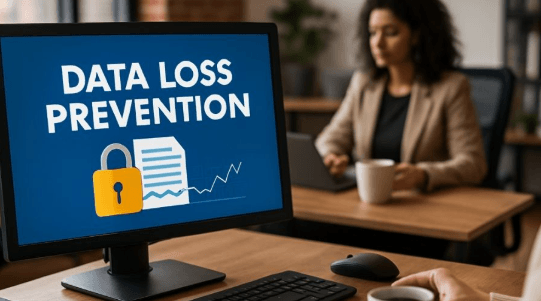
Enhancing Data Security and Compliance
Data privacy regulations are becoming stricter worldwide. Refurbishment companies must ensure devices are processed responsibly and securely.
Manual data deletion methods are unreliable and difficult to audit. Smart Suite solves this problem through certified workflows that integrate mobile diagnostics and data transfer with secure erasure processes.
Benefits include:
- Verified data removal records
- Reduced compliance risks
- Customer trust and transparency
- Audit-ready documentation
Secure data handling is no longer optional — it is a requirement for scaling responsibly.
See also: Smart Cities and Technology
Accelerating Processing Speed Without Increasing Staff
Growth often creates pressure to hire more technicians, increasing operational costs. However, scaling efficiently means increasing output without proportionally increasing labor.
Smart Suite enables this by:
- Running automated diagnostic sequences
- Performing batch device processing
- Reducing manual configuration steps
- Providing guided workflows for technicians
As a result, teams can process more devices per day while maintaining operational consistency.
Improving Inventory Visibility and Workflow Tracking
Scaling operations requires real-time insight into device status and workflow performance.
Smart Suite provides centralized dashboards that allow businesses to track:
- Devices awaiting testing
- Diagnostics completion rates
- Data processing stages
- Repair or refurbishment progress
- Ready-for-resale inventory
This visibility helps managers identify bottlenecks and optimize operations proactively.
Supporting Cross-Platform Data Migration
Customers trading in devices often upgrade across operating systems. Handling these transitions smoothly enhances customer satisfaction and retail partnerships.
With integrated mobile diagnostics and data transfer tools, Smart Suite enables seamless migration between devices, helping businesses deliver added value during trade-in or upgrade programs.
Efficient data migration reduces setup time for end users and strengthens retailer relationships.
Building a Scalable Refurbishment Workflow
To scale successfully, refurbishment businesses should follow a structured operational model:
- Automate intake and diagnostics
- Standardize grading and testing procedures
- Implement secure data workflows
- Monitor performance through analytics
- Optimize turnaround time continuously
Smart Suite supports each stage, creating a connected ecosystem rather than disconnected tools.
The Competitive Advantage of Smart Suite
In a market where margins depend on speed and accuracy, technology determines long-term success. Businesses that adopt integrated solutions gain measurable advantages:
- Faster processing cycles
- Reduced operational errors
- Improved resale value
- Enhanced data security
- Scalable infrastructure for growth
By combining automation with intelligent workflows, Smart Suite transforms refurbishment operations from manual processes into scalable systems.
Conclusion
Scaling mobile refurbishment operations requires more than increasing device volume — it demands smarter workflows, stronger data security, and consistent operational standards. Companies that invest in automation can process devices faster, maintain quality, and reduce risks associated with manual handling.
Smart Suite provides a comprehensive solution designed to meet these modern challenges. Through advanced mobile diagnostics and data transfer capabilities, refurbishment businesses can streamline operations, improve efficiency, and confidently expand their services in an increasingly competitive market.
As the refurbished device industry continues to grow, adopting intelligent platforms like Smart Suite will be key to building sustainable, scalable, and future-ready operations.