What Maintenance Realities Come With Power Stations?
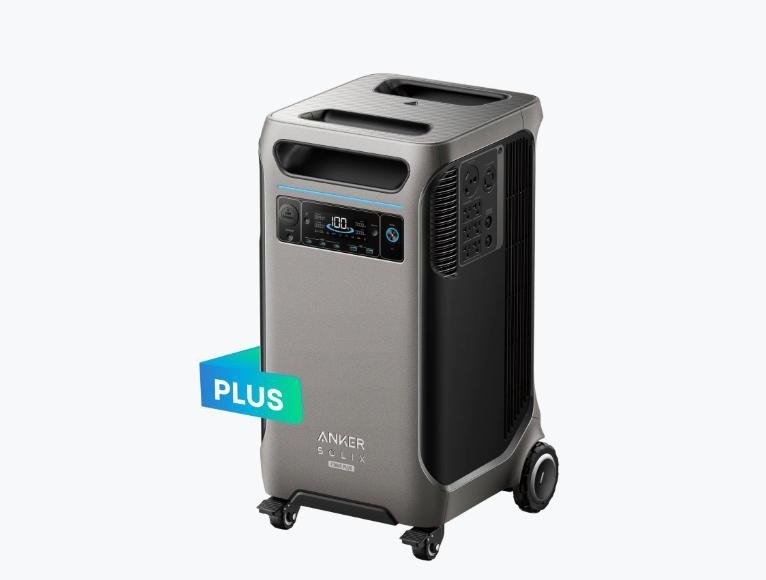
The rise of home backup systems and mobile energy solutions has pushed many users to think beyond output wattage and battery size. A power station delivers convenience, but it also becomes a long-term asset that requires proper attention. Maintenance decisions influence lifespan, daily reliability, and readiness during weather emergencies or travel. Many users assume these devices work indefinitely with no upkeep, yet real-world conditions challenge that assumption. Dust, heat, charging habits, and storage routines all shape performance over time. Some newer models, such as the Anker SOLIX F3800 Plus Portable Power Station, help streamline long-term care through safer battery structures and smarter system management, but understanding the fundamentals remains essential for anyone seeking dependable mobile or home backup energy.
The Practical Side of Power Station Longevity
Core Battery Health Depends on User Habits
Battery care remains the central maintenance requirement for any power station. Even with modern EV-grade cells designed for long service lives, performance still responds to how the user treats the battery day to day. Avoiding full discharges when not necessary, preventing long periods of storage at 0% or 100%, and keeping the device in well-ventilated areas during operation all help preserve battery integrity. Users who rely on solar charging also need to confirm stable sunlight input and avoid repeatedly pushing the station through rapid charge cycles unless required for emergencies. These decisions influence long-term stability far more than most people expect. Large-capacity systems benefit from thoughtful charging routines because they store so much energy that each cycle meaningfully impacts lifespan. This is where models like the Anker SOLIX F3800 Plus Portable Power Station stand out, because their robust cell design naturally reduces stress from everyday use without requiring complicated technical oversight.
Real-World Environments Shape Maintenance Needs
A power station’s durability depends heavily on where and how it is used. Even premium systems face challenges from dust, fluctuating temperatures, or rough handling during travel. Outdoor use may expose the unit to windblown particles, vibration, or moisture, and improper storage can shorten service life. Users often overlook airflow, even though an enclosed space or hot garage can force internal components to work harder. Seasonal users, such as RV travelers, should adopt a routine that includes cleaning ports, inspecting cables, and ensuring ventilation openings stay unobstructed. Homeowners using a station for backup should check its readiness each month rather than waiting for a storm. Environmental maintenance is less about technical skill and more about forming good habits—something that keeps the power station performing reliably regardless of its workload.
Software and System Updates Play a Hidden Role
Modern power stations include embedded software that manages charging, temperature balancing, output behavior, and efficiency. A well-designed interface lets users monitor battery health, adjust operating modes, and receive alerts about performance anomalies. These features reduce the need for mechanical maintenance but require periodic attention to app updates or system notifications. Ignoring software improvements may limit new charging optimizations or delay important safety patches. Remote-control systems—like those used in the Anker SOLIX ecosystem—make it easier to ensure the device stays current, but the user still performs the final step by confirming updates and reviewing system logs. This digital component often determines how smoothly the station performs during heavy load, home backup events, or extended travel.
The User’s Role in Reliable Daily Operation
Charging Choices Influence Long-Term Reliability
Every charging method has different implications for maintenance. Solar recharging introduces variability depending on weather, angle of setup, and cable condition. Wall charging demands attention to outlet quality and circuit load, while generator charging requires awareness of surge behavior and fuel stability. Users maintaining several expansion batteries must balance these methods in a way that avoids unnecessary strain. For example, after a high-demand event such as running an air conditioner or supporting an entire home panel, gradually recharging instead of rushing to full capacity can extend battery longevity. Advanced systems support multiple input modes, allowing users to choose the gentlest method available for the moment. These decisions help the system remain dependable during critical situations.
See also: Risks of Overdependence on Technology
Storage Routines Often Determine Life Span
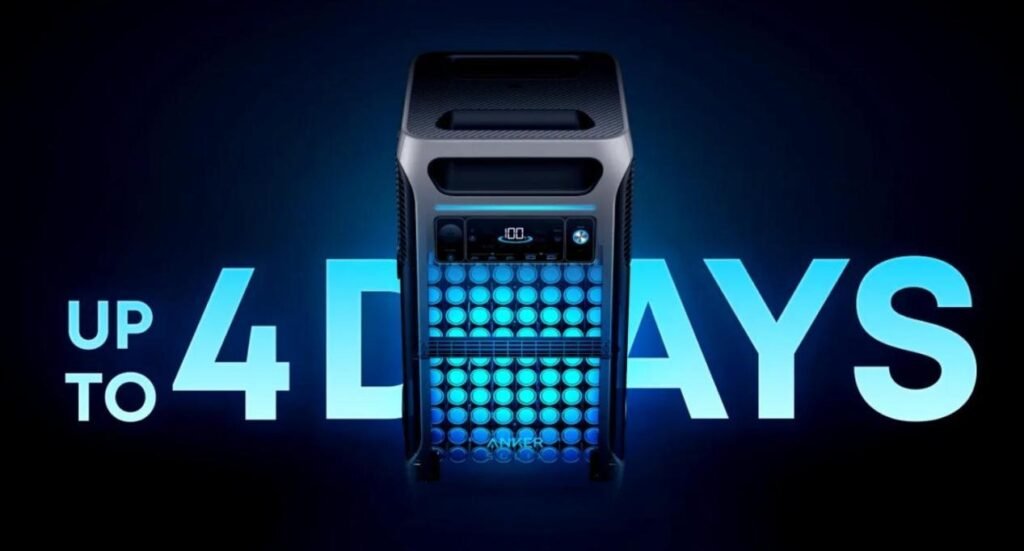
How a user stores a power station between uses strongly affects service life. Long-term storage at extreme temperatures accelerates chemical degradation. Keeping the unit in a shaded, dry, cool environment prevents swelling, energy loss, and unnecessary stress on internal components. Many portable units rely on periodic recharging during downtime, and failure to maintain this schedule can reduce total cycle life. A good rule: check the device every one to two months, especially if it supports essential functions like refrigeration or medical equipment during outages. The F3800 Plus’s automated weather-preparation features reduce the user’s workload, but mindful storage still contributes significantly to longevity. A disciplined approach ensures the power station remains ready whenever unexpected events occur.
Connections, Ports, and Accessories Need Periodic Inspection
Power stations often operate with multiple accessories: expansion batteries, solar panels, extension cables, transfer switches, and occasionally RV interfaces. Each component introduces potential wear points. Loose connectors, minor corrosion, or bent pins can disrupt output stability or reduce charging speed. Users should periodically examine ports for dust and ensure cable insulation remains intact. When working with high-voltage solar setups, attention to hardware condition becomes even more important. Cleaning and inspecting these elements requires no technical expertise yet significantly improves operational consistency. For users relying on the best portable power station for emergency planning or mobility, such simple checks offer meaningful peace of mind.
Conclusion
A power station may appear maintenance-free, yet long-term dependability comes from consistent user attention. Battery care, environmental awareness, software updates, connection checks, and thoughtful charging choices all contribute to performance and lifespan. Outdoor travelers, homeowners preparing for outages, and professionals powering tools each face different maintenance realities, but the underlying principles remain the same: protect the battery, preserve the hardware, and monitor the system. Modern solutions such as the Anker SOLIX F3800 Plus Portable Power Station ease the workload with safer battery structures, remote monitoring, and adaptable recharging options, yet user habits still shape long-term reliability. By understanding these maintenance needs, anyone can keep their power station ready for every routine task and unexpected event.