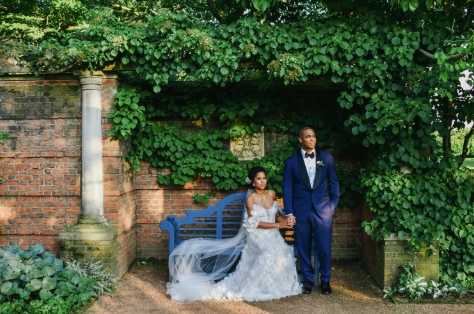
Wedding at Home: Preparing Your House and Garden for the Big Day
Hosting a wedding at home changes the meaning of familiar spaces. A garden where you normally drink coffee becomes the ceremony site. The patio where friends gather on weekends turns into the reception area. Rooms that hold everyday routines become dressing suites and quiet corners for relatives.
Preparing a house for a wedding requires more than decorations. It involves planning guest flow, adapting infrastructure, coordinating vendors, and making sure the property can support an event that may last several hours. A home wedding can feel personal and memorable when each part of the property serves a clear purpose.
This guide walks through the process step by step, from evaluating whether your home can host the event to organizing the final hours of the celebration.
1. The Decision: Is Your Home Suitable for a Wedding?
The first step is assessing whether your property can realistically host the event. Many couples choose a home wedding because it feels intimate and meaningful, but the location must support the number of guests, vendors, and activities involved.
Start by estimating the guest count. A gathering of 25 people requires different planning than a celebration for 120 guests. Walk through the property and imagine how people will move between areas. A narrow path between the house and the garden can create congestion if everyone tries to pass through at once.
Next, identify where the main parts of the wedding could happen. Most home weddings include three central areas: a ceremony space, a dining or reception space, and a social area where guests mingle. These spaces can overlap, but they should not compete with one another.
The garden is often the most suitable ceremony location. Trees, fences, or stone walls provide natural framing. If the yard is large enough, rows of chairs can face a simple arch or decorated backdrop. Check the ground carefully. Soft soil or uneven grass can make seating unstable, especially if the weather has been rainy.
Indoor areas also matter. Guests need access to bathrooms, and some will prefer a place to sit indoors if the weather becomes uncomfortable. The house may also host preparation rooms for the couple and immediate family.
Parking and neighborhood access should not be overlooked. Guests need somewhere to leave their vehicles without blocking driveways or streets. If the house sits in a quiet residential area, inform neighbors in advance about the event.
Noise rules vary between locations, and some communities restrict amplified music after certain hours. Contact local authorities if you plan to host live music or a DJ outdoors.
Insurance is another consideration. Event insurance can cover accidents or property damage. Some caterers and rental companies require proof of insurance before they agree to work at a private residence.
After examining these factors, create a simple property plan. Sketch the house, garden, and main access points. Mark the ceremony area, reception tables, bar location, and restrooms. This small step helps you visualize how the event will unfold and where adjustments are needed.
2. Transforming Everyday Spaces into Wedding Zones
Once you confirm that the property can host the event, the next task is turning ordinary spaces into clearly defined wedding areas.
Start with the ceremony site. Choose a location where guests can sit comfortably while still seeing the couple. A flat lawn, terrace, or wide garden path works well. If the area receives strong sunlight, consider a canopy or shade structure so guests remain comfortable during the ceremony.
Place chairs in neat rows with a central aisle. Leave enough space on each side so guests can enter and leave their seats without disrupting others. If the ceremony happens on grass, sturdy seating prevents chairs from sinking into the ground.
Next, designate a cocktail or social area. This space allows guests to gather after the ceremony while the reception tables are prepared. Patios, decks, and shaded garden corners often work well. High tables or standing stations encourage conversation and keep traffic moving.
The dining or reception area should be the largest zone. Arrange tables so guests can move between them easily. Leave wide walkways for servers carrying trays or plates. If the garden surface is uneven, temporary flooring can stabilize the area.
Dance space deserves careful planning. Even a small dance floor can become crowded if placed too close to dining tables. A flat patio or wooden deck works well, but rented flooring panels can also create a stable surface on grass.
Inside the house, remove unnecessary furniture to free space. Living rooms often become lounges where older guests or family members can rest. Bedrooms can serve as preparation areas for the wedding party.
Temporary structures often improve outdoor weddings. Tents provide shade during the day and protection if rain appears. Pergolas or simple wooden frames decorated with flowers can define the ceremony site without overwhelming the garden.
Clear signage helps guests navigate the property. Small signs directing people to the ceremony area, bar, or restrooms reduce confusion and keep traffic flowing smoothly.
Dividing the property into clear zones allows the wedding to move naturally from one stage to another. Guests will understand where to go next without constant instructions.
3. Creating the Atmosphere with Lighting and Decor
Decoration transforms the property from a family home into a celebration setting. The goal is to enhance the environment rather than hide it.
Lighting often has the strongest impact. String lights hung between trees or across a patio add warmth once evening arrives. Lanterns placed along pathways guide guests safely between areas of the garden.
Candles can create soft illumination on tables or steps, but use protective holders to prevent wind from blowing them out. Battery candles work well when open flames are restricted.
Decorating the ceremony space requires balance. A simple arch decorated with greenery or flowers provides a focal point without blocking the natural background. Fabric draped from tree branches can create a gentle frame for the ceremony.
Reception tables deserve attention as well. Tablecloths, centerpieces, and coordinated tableware shape the visual tone of the event. Keep centerpieces low enough so guests can talk across the table without obstruction.
Garden decoration often benefits from natural elements. Flower arrangements placed in wooden boxes, vintage containers, or ceramic vases complement outdoor settings. If the wedding takes place during a warm season, seasonal flowers can match the surrounding plants.
Seating areas outside the dining space allow guests to relax between activities. Benches, lounge chairs, and small tables create quiet corners for conversation. In one outdoor bar area, tall restaurant bar stools beside a wooden counter gave guests a place to sit while ordering drinks, blending comfortably with the informal garden setting.
Pathways between areas should remain clear and well-lit. Guests wearing formal clothing or heels may struggle with uneven ground. Temporary walkway mats or wooden planks help stabilize high-traffic areas.
Music also shapes the atmosphere. Position speakers so sound spreads evenly without overwhelming guests seated nearby. If the event includes speeches, ensure microphones and small sound systems are tested in advance.
Decoration does not require excess. A few carefully chosen elements often create stronger visual impact than large quantities of decorations scattered throughout the property.
4. Infrastructure Behind the Celebration
While decorations attract attention, the infrastructure supporting the event determines whether the day runs smoothly.
Catering is often the most complex logistical element. Some caterers cook off-site and bring prepared dishes, while others require access to a kitchen. Discuss the setup with your catering team early so they know what equipment will be available.
If the home kitchen cannot support large food preparation, caterers may install temporary prep stations in outdoor tents. These areas include portable stoves, refrigerators, and worktables.
Serving style also affects planning. Buffet tables require space where guests can line up without blocking walkways. Plated meals demand clear routes between the kitchen area and dining tables so servers can move efficiently.
Electric power becomes important when lighting, sound equipment, and catering appliances operate simultaneously. Calculate the expected load and consult an electrician if necessary. Portable generators can supply additional power for outdoor events.
Restroom access requires careful thought. Homes with only one or two bathrooms may struggle with large guest groups. Luxury portable restrooms provide additional facilities and can be placed discreetly in the yard.
Waste management should also be organized before the event. Caterers typically handle food waste, but trash bins should be available throughout the property. Recycling containers help manage bottles and cans.
Water access can assist catering teams and bartenders. Outdoor sinks or garden taps allow quick cleaning of equipment. If bartenders prepare cocktails, ensure they have adequate counter space and ice storage.
Weather preparation remains essential for outdoor weddings. Even on sunny days, have backup options available. Tents, umbrellas, or indoor areas allow the event to continue comfortably if rain arrives.
Finally, plan the cleanup process. Some rental companies collect chairs, tables, and equipment the following day, but disposable items and decorations may require immediate removal. Hiring a small cleanup crew allows the couple and family to rest after the celebration.
See also: How an American Lifeguard Association Certification Launches a Lifesaving Career
5. Managing the Wedding Day from Start to Finish
The wedding day itself moves quickly, and clear organization helps the celebration unfold without confusion.
Begin by creating a detailed timeline. This schedule should include vendor arrival times, ceremony start, cocktail hour, dinner service, speeches, and dancing. Share the timeline with all vendors so they understand when each activity occurs.
Preparation rooms inside the house should remain calm and organized. The wedding party will spend several hours there before the ceremony begins. Provide mirrors, seating, water, and light snacks to keep everyone comfortable.
Before guests arrive, secure private areas of the house. Lock rooms that contain personal items or equipment unrelated to the event. This protects the household and keeps guests within designated areas.
A welcome station near the entrance can greet arriving guests. A small table with seating charts, event programs, and refreshments helps visitors orient themselves when they arrive.
During the ceremony, assign someone to guide guests to their seats. This role can be filled by family members or hired staff. After the ceremony, the same person can direct guests toward the cocktail area.
Transitions between stages require coordination. As guests move from cocktails to dinner, servers and coordinators should guide them smoothly to their tables. Clear announcements from a host or DJ help signal when each activity begins.
Speeches and special moments deserve attention. Confirm the order of speakers in advance so microphones and timing remain organized.
As the evening progresses, guests may drift between the dance floor, garden seating areas, and bar. Maintaining good lighting and clear pathways keeps movement safe and comfortable.
Transportation at the end of the event should also be planned. Some guests may arrange taxis or ride services, while others drive themselves. Ensure parking areas remain well lit as people leave.
Finally, take a moment during the evening to appreciate the surroundings. A home wedding carries emotional weight because the celebration happens in a place that already holds memories. When the lights glow in the garden and friends gather around familiar spaces, the house becomes part of the story of the wedding itself.
Preparing a home and garden for such an event requires thoughtful planning, but the result often feels more personal than any rented venue. Familiar rooms transform into celebration spaces, and the property becomes a place where family history and new beginnings meet.