Smart Cities and Technology
Smart cities represent a significant shift in urban development, where technology integrates seamlessly into daily life. The use of IoT and big data analytics allows cities to optimize various systems, from traffic flow to energy consumption. This evolution not only addresses pressing urban challenges but also fosters a collaborative environment for citizens. As these innovations unfold, the potential for enhanced living conditions invites further exploration into their long-term implications. What lies ahead for urban environments?
How Smart Cities Use IoT to Enhance Urban Living
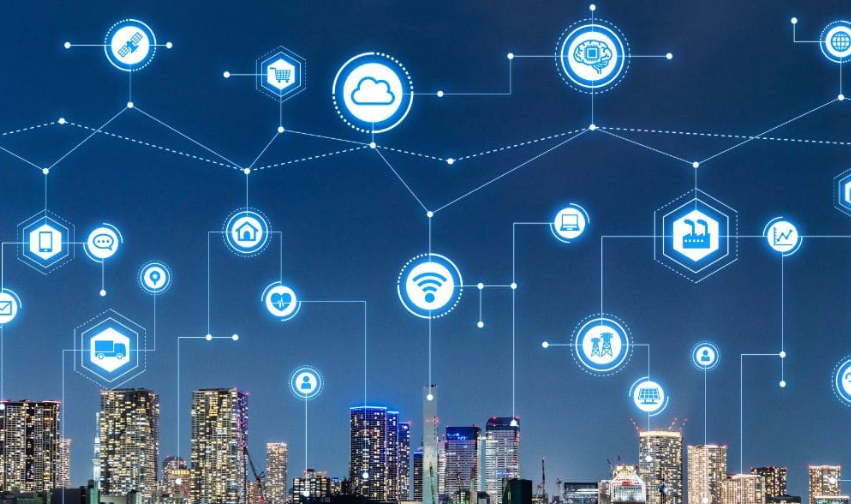
As cities increasingly embrace the Internet of Things (IoT), they transform urban living by integrating smart technologies that enhance efficiency, sustainability, and quality of life.
Sensor networks facilitate real-time data collection, optimizing urban mobility through intelligent traffic management.
This collaborative approach fosters innovative solutions that empower citizens, creating a more adaptable and responsive urban environment, ultimately promoting freedom and connectivity within smart cities.
See also: Skills Needed for Technology Jobs
How Big Data Shapes Smart City Solutions
An increasing volume of data generated by urban activities is revolutionizing the development of smart city solutions.
Data analytics empowers cities to process vast information, revealing patterns and trends. Predictive modeling enhances decision-making, allowing urban planners to anticipate needs and allocate resources effectively.
This collaborative approach fosters innovation, ultimately promoting a more adaptable and responsive urban environment that prioritizes individual freedom and community well-being.
Essential Technologies Transforming Urban Environments
The integration of advanced technologies is fundamental to the evolution of smart cities, where urban environments are increasingly shaped by innovations that enhance connectivity and efficiency.
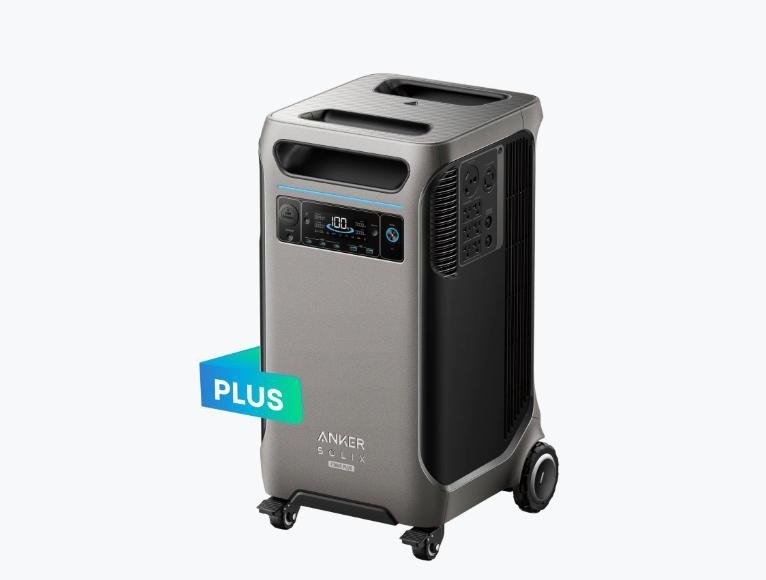
Renewable energy systems are being adopted to power infrastructure sustainably, while autonomous vehicles revolutionize transportation, providing freedom of movement and reducing congestion.
Together, these technologies foster collaborative urban development, aligning with a vision of liberated and sustainable living.
Current Innovations Addressing Urban Challenges
Innovations in technology are actively reshaping urban landscapes, providing solutions to pressing challenges faced by cities worldwide.
Breakthroughs in renewable energy enhance sustainability, while advancements in urban mobility streamline transportation networks.
By integrating smart grids and electric vehicle infrastructure, cities foster collaborative environments that prioritize efficiency and accessibility.
Such innovations empower citizens, ultimately promoting freedom and enhancing the quality of urban life.
Conclusion
In conclusion, the integration of advanced technologies in smart cities not only addresses urban challenges but also redefines the way citizens interact with their environments. As cities evolve through IoT and big data, one must ponder: how can we ensure that these innovations enhance inclusivity and resilience for all? By fostering collaboration among stakeholders and embracing innovation, smart cities can pave the way for sustainable urban living, ultimately enriching the quality of life for their inhabitants.