How Modern Technology Improves Medical Evaluations
Have you ever walked out of a doctor’s office wondering how they figured out what was happening inside your body without opening you up? Medical evaluations have changed fast in the last decade as technology reshapes how doctors detect problems and plan treatment. Digital tools, advanced imaging, and smarter data systems now guide decisions with more accuracy than ever. In this blog, we will share how modern technology is improving medical evaluations and what it means for patients.
Advanced Imaging and Precision Evaluation
Medical imaging remains one of the most powerful tools in modern diagnosis. These technologies allow doctors to see inside the body without surgery, revealing bones, organs, tissues, and blood flow with remarkable clarity. Over time, imaging systems have become faster, sharper, and more detailed, giving physicians the ability to detect conditions earlier.
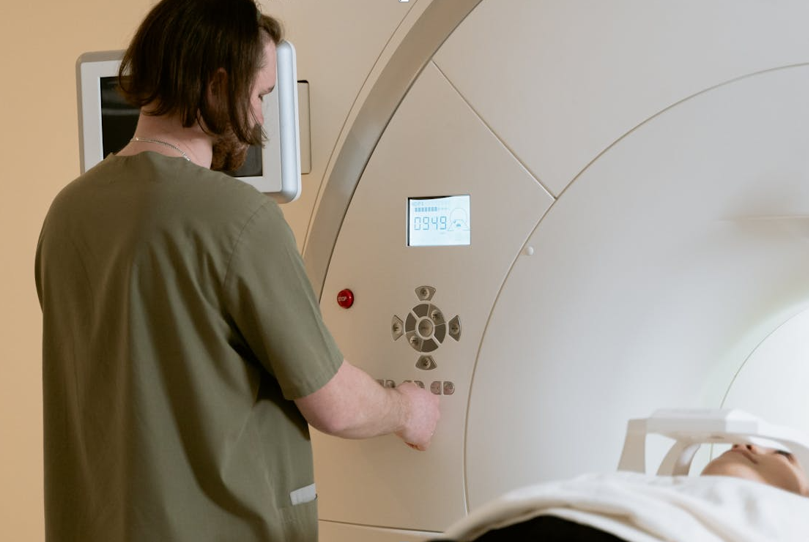
Magnetic imaging systems illustrate this progress well. Hospitals today rely on advanced scanners that capture highly detailed views of muscles, joints, the brain, and internal organs. When a patient arrives with unexplained pain or neurological symptoms, these scans help doctors investigate possible causes without invasive procedures.
Manufacturers continue improving this technology by offering equipment designed for both comfort and accuracy. Some facilities now use wider scanners that reduce anxiety for patients who feel confined in traditional machines. At the same time, stronger magnetic fields produce images with finer detail, helping physicians identify subtle abnormalities.
Healthcare providers also depend on specialized equipment suppliers who support imaging services and maintain these systems. Companies that focus on diagnostic imaging often provide different scanner models suited for hospitals, clinics, and research centers. For readers interested in how these systems operate or how facilities choose equipment, detailed information is available online. To know more visit https://numedinc.com/modalities/mri/ where you can learn about imaging solutions ranging from high-field standard bore systems to large-bore scanners supported by experienced technical teams.
Another benefit of imaging technology lies in speed. Earlier generations of scans could take much longer to complete, which sometimes caused discomfort for patients who needed to stay perfectly still. Modern machines capture images more quickly, reducing exam time while improving image clarity. This improvement allows physicians to evaluate injuries, tumors, or internal damage faster and begin treatment sooner.
The Rise of Technology in Medical Diagnosis
Healthcare used to rely heavily on observation, patient descriptions, and a physician’s experience. Doctors still depend on those skills today, yet technology now adds a layer of precision that earlier generations could only imagine. Across hospitals and clinics, digital systems analyze symptoms, track health records, and reveal patterns that might otherwise stay hidden.
One clear shift comes from electronic medical records. In the past, patient histories often sat in paper files that could get lost or overlooked. Today, physicians can review years of information within seconds. Blood tests, past diagnoses, and medication lists appear in one organized place, allowing doctors to compare new symptoms with earlier conditions. This connected view often leads to quicker and more accurate evaluations.
Artificial intelligence has also entered the conversation. While the idea of machines helping doctors may sound like science fiction, it is already happening in practical ways. AI tools can review thousands of medical images or patient records and flag patterns linked to specific illnesses. Instead of replacing physicians, these systems act like extremely fast assistants that help narrow down possibilities.
At the same time, wearable technology has quietly expanded the reach of medical evaluation. Fitness trackers and smartwatches monitor heart rate, sleep cycles, and physical activity. When patients share that information with their doctors, it offers valuable clues about lifestyle habits and long-term health trends. A single clinic visit no longer represents the full picture of someone’s health.
See also: How AI Is Shaping the Future of Healthcare
Data and Connectivity Changing Medical Decisions
Beyond imaging, data analysis now plays a growing role in medical evaluations. Hospitals collect massive amounts of information through lab results, diagnostic scans, patient histories, and monitoring devices. When that data flows through connected digital systems, doctors gain powerful insights that guide medical decisions.
One example involves predictive health analytics. Researchers now use large datasets to study patterns linked to certain illnesses. By comparing a patient’s test results with those patterns, doctors can identify risk factors earlier. In some cases, this analysis alerts physicians to potential conditions before symptoms fully appear.
Telehealth has also transformed how evaluations happen. During the global pandemic, virtual visits moved from a niche service to a common healthcare tool almost overnight. While in-person exams remain essential, video consultations allow doctors to assess symptoms, review medical histories, and recommend next steps without requiring travel.
Remote monitoring technology extends that idea even further. Patients with chronic conditions such as heart disease or diabetes can now use home devices that transmit health data directly to their care teams. Blood pressure readings, glucose levels, and oxygen saturation measurements reach doctors in real time, allowing them to notice concerning changes early.
Another interesting shift involves patient access to information. Health apps and online portals allow individuals to review test results, track appointments, and message healthcare providers. This transparency encourages people to take a more active role in their health while helping doctors communicate treatment plans more clearly.
Modern medical evaluations now combine human expertise with powerful tools that reveal details once hidden from view. Physicians still rely on training and judgment, yet technology offers new clarity that guides those decisions. As diagnostic tools grow more advanced and data becomes easier to analyze, the process of understanding the human body continues to improve in ways that once seemed impossible. Technology continues to reshape how doctors evaluate health, bringing greater accuracy, faster answers, and more informed treatment decisions. As digital tools, imaging systems, and connected health data advance, patients benefit from earlier detection and clearer diagnoses. The future of medical evaluation will likely blend human expertise with smart technology, creating healthcare that feels both more precise and more responsive.