Ductless AC Repair: What Makes It Different from Traditional Systems
Air conditioning systems have become indispensable in modern homes and businesses, especially in regions with extreme temperatures. Among the many cooling options available today, ductless air conditioning systems have gained significant attention for their flexibility, energy efficiency, and ease of installation. Unlike traditional central air systems that rely on extensive ductwork to distribute conditioned air throughout a building, ductless systems operate with individual units that provide cooling directly to specific zones.
In the event of a malfunction or efficiency loss, understanding how ductless AC repair differs from repairs on traditional systems can help owners make informed decisions. We will explore the unique aspects of ductless AC repair and why it requires a different approach. For homeowners seeking reliable ac repair in Las Vegas, knowing these differences ensures that each system receives the attention it needs. By the end of this discussion, readers should have a clearer appreciation of how repairs are approached and managed for these innovative cooling systems.
Understanding What Sets Ductless AC Repair Apart
1. System Design and Component Accessibility
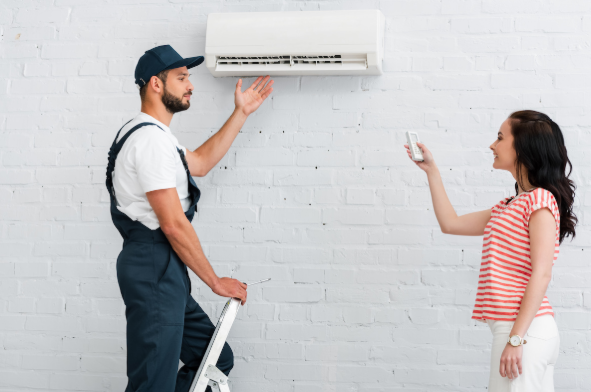
Unlike traditional HVAC systems, ductless air conditioning systems consist of separate indoor and outdoor units connected by refrigerant lines rather than large air ducts. One key difference that influences repair procedures lies in this very design. In a central air system, technicians often trace issues through a network of ducts, filters, and a single large blower system. In contrast, ductless systems have multiple indoor units—each serving a defined space or zone. This means that diagnosing an issue in a ductless setup often involves inspecting individual units rather than a centralized system. Accessibility to components is distinct as well. Indoor units are typically mounted high on walls or ceilings, requiring ladder access and careful handling to avoid damage to wall finishes or interior decor.
Refrigerant lines, electrical connections, and drain lines are exposed differently, which means repair professionals follow a distinctive set of steps when disassembling or accessing parts for inspection or replacement. Repairing a ductless unit often necessitates working in tighter spaces and being mindful of both indoor aesthetics and outdoor unit exposure to the elements. Additionally, since each unit can operate independently, a malfunction in one zone does not always imply a problem in another, which changes the troubleshooting strategy significantly.
2. Refrigerant Handling and Line Maintenance
Both traditional and ductless systems rely on refrigerant to absorb heat and cool indoor air. However, the way refrigerant is managed differs significantly between the two. In a ductless system, refrigerant lines run directly from the outdoor compressor to each indoor unit, and these lines must remain sealed and properly insulated to ensure efficient operation. Repair procedures often focus on detecting leaks, checking refrigerant charge levels, and ensuring proper line insulation. Because each indoor unit has its own refrigerant loop, a leak in one line affects only that zone without immediately affecting the others. This localized issue means technicians must isolate which line or unit is responsible for the problem. Repair professionals need to evacuate and recharge refrigerant correctly while adhering to safety protocols and environmental regulations, as handling refrigerants requires precision to avoid harmful emissions.
In traditional systems with central ductwork, refrigerant handling uses a larger loop that connects a single indoor evaporator coil to the outdoor condenser. Issues in a central system may therefore be tied to larger scale problems affecting the entire building. The focus on multiple independent loops in ductless systems means that repairing or recharging refrigerant requires careful assessment of each zone’s pressure and performance, often using specialized gauges and diagnostic methods that differ from those used in traditional systems.
See also: Home Header 1
3. Electrical Systems and Control Diagnostics
Electrical controls and system diagnostics in ductless AC systems are distinct from those in conventional air conditioners. In a standard central air system, controls are often centralized, with a thermostat communicating with a single air handler and blower unit. In a ductless system, each indoor unit has its own control board, sensors, and communication link back to the outdoor compressor. This decentralization alters how electrical faults manifest and are diagnosed. A malfunction could stem from the indoor unit’s control board, the communication wiring, or even the wireless thermostat interface, depending on the model. Repair work often involves isolating power to specific units, testing voltage and current, and ensuring that each control system responds correctly to user inputs and internal sensors.
Additionally, ductless systems sometimes incorporate advanced features such as variable-speed compressors and inverter technology, which adjust cooling output dynamically. Troubleshooting these features requires familiarity with how inverter-driven systems modulate power and respond to load changes. Technicians must read error codes, interpret LED indicator patterns, and test individual components to locate faults. These procedures differ from the more uniform electrical pathways in traditional systems, where faults in a central unit affect the entire cooling system rather than individual zones. Therefore, ductless repair requires a methodical approach to isolate electrical issues on a per-unit basis and ensure proper communication between indoor and outdoor components.
Air conditioning systems remain indispensable for maintaining comfort across diverse climates, and ductless systems have transformed how property owners approach cooling. Their design, component accessibility, refrigerant handling, electrical diagnostics, drainage requirements, and installation variability all contribute to a repair process that differs significantly from that of traditional ducted systems. By recognizing these differences, owners can better understand what to expect when addressing system malfunctions or performance issues. Approaching ductless AC repair with an awareness of its unique characteristics allows for more accurate diagnostics, efficient service, and ultimately, a longer lifespan for the cooling system. Each system type brings its own set of considerations, and appreciating those nuances ensures that maintenance and repairs are managed effectively.