Diagnostic Imaging Services in Houston: When You Need X-Rays, CT Scans, or Ultrasound in an Emergency
Fast and accurate diagnosis is critical during a medical emergency. When someone experiences sudden pain, injury, or unexplained symptoms, doctors often rely on medical imaging to identify the cause. Modern diagnostic imaging services allow healthcare providers to examine the inside of the body without surgery. These imaging tools help doctors detect injuries, infections, and internal conditions that may not be visible during a physical exam.
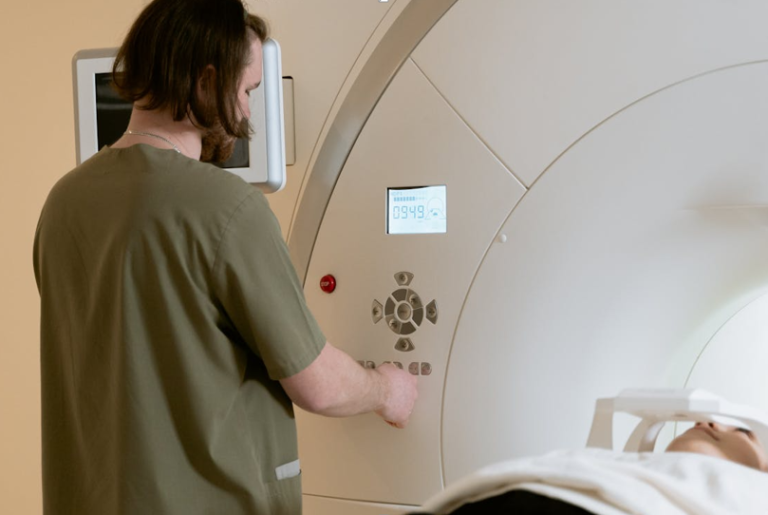
Emergency rooms depend heavily on advanced imaging technology to guide treatment decisions. X-rays, CT scans, and ultrasound scans provide detailed images that help medical professionals understand what is happening inside the body. These tests support fast and accurate diagnosis, which allows doctors to begin treatment quickly. Access to imaging services within an emergency setting helps reduce delays and improves patient care. When a medical condition requires urgent attention, imaging plays a key role in ensuring patients receive the correct treatment as soon as possible.
What Are Diagnostic Imaging Services?
Diagnostic imaging services involve medical technologies that create visual images of organs, tissues, and bones inside the body. These images help doctors identify medical conditions and evaluate injuries without invasive procedures. Imaging tests are commonly used in emergency medicine because they provide immediate insight into what may be causing a patient’s symptoms.
These services help physicians understand both minor and serious health concerns. By viewing internal structures in detail, doctors can detect fractures, infections, inflammation, or internal bleeding. Imaging also helps medical teams confirm diagnoses and determine the best course of treatment.
Key purposes of diagnostic imaging include:
- Detecting bone fractures and joint injuries
- Identifying infections or inflammation inside the body
- Evaluating internal organs and tissues
- Monitoring medical conditions that require urgent care
- Supporting accurate and timely diagnosis
Modern imaging technology continues to improve the accuracy of emergency care. These advanced systems produce clear images that help doctors make informed medical decisions quickly.
When Do You Need Emergency Diagnostic Imaging?
Medical imaging is often required when symptoms appear suddenly or when an injury occurs. Emergency physicians use imaging tests to identify the source of pain, trauma, or other medical concerns that require immediate attention.
Certain conditions require imaging to rule out serious internal problems. Doctors may recommend imaging when physical symptoms suggest underlying damage or medical complications.
Situations that may require emergency diagnostic imaging include:
- Sudden injuries from falls or accidents
- Severe pain that cannot be explained through examination
- Suspected bone fractures or joint dislocations
- Symptoms suggesting internal bleeding or organ damage
- Swelling or inflammation that requires detailed evaluation
Diagnostic imaging helps doctors move from uncertainty to accurate diagnosis. When physicians have clear images of the affected area, they can develop treatment plans faster and provide better patient care.
Emergency medical teams also rely on imaging when assessing complex health conditions. This technology allows doctors to determine whether symptoms are caused by structural damage, infection, or another medical issue.
Types of Diagnostic Imaging Services Available in Emergency Care
Emergency rooms use several types of imaging tests to diagnose medical conditions. Each imaging method serves a specific purpose and provides different levels of detail. Physicians select the most appropriate test depending on the patient’s symptoms and medical history.
The most common imaging technologies used in emergency care include:
- X-rays that help identify fractures, bone injuries, and joint problems
- CT scans that produce detailed cross sectional images of organs and tissues
- Ultrasound scans that use sound waves to evaluate soft tissues and organs
- Advanced imaging equipment designed to deliver accurate diagnostic results quickly
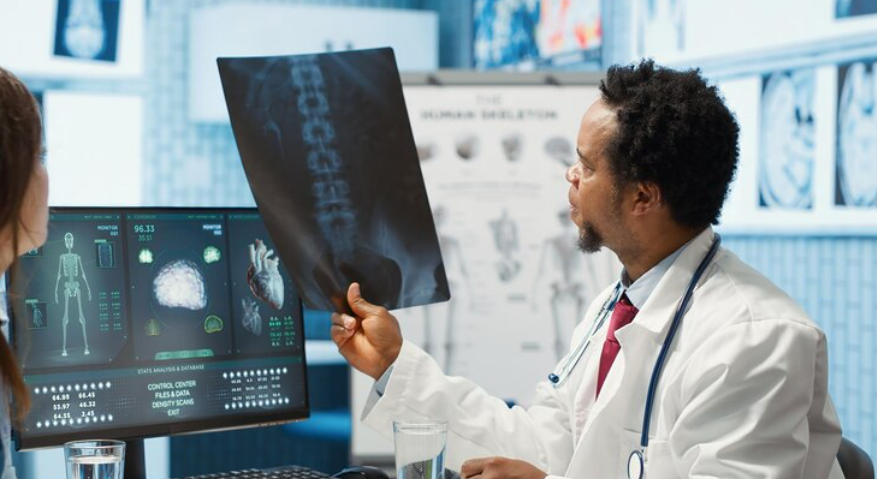
Each imaging method plays a role in emergency diagnosis. X-rays are often used for bone injuries, while CT scans provide detailed views of internal organs. Ultrasound imaging is commonly used to evaluate soft tissues, blood flow, and certain internal structures.
Emergency departments are equipped with advanced technology that allows doctors to perform these tests quickly. Immediate access to imaging services ensures patients receive faster diagnosis and treatment.
How Emergency Imaging Helps Doctors Diagnose Conditions Quickly
Medical imaging provides valuable information that helps physicians understand a patient’s condition within minutes. These tests allow healthcare providers to see inside the body and identify abnormalities that may not be visible externally.
Imaging technology supports emergency diagnosis in several important ways:
- Detecting internal injuries and trauma
- Identifying infections or inflammation
- Revealing blockages or organ abnormalities
- Confirming fractures or structural damage
These insights allow doctors to make accurate treatment decisions without unnecessary delays. When physicians can quickly determine the cause of symptoms, they can begin treatment immediately.
Emergency imaging also reduces the risk of misdiagnosis. By reviewing detailed images, doctors gain a clearer understanding of the condition and can provide targeted care. Accurate diagnosis leads to better treatment outcomes and improved patient safety.
Benefits of Diagnostic Imaging at an Emergency Room
Emergency rooms are designed to handle urgent medical conditions quickly. Having imaging services available within the facility allows doctors to perform diagnostic tests without referring patients to outside centers. This immediate access significantly improves response time.
At Life Savers ER Houston, advanced imaging services support rapid diagnosis and efficient patient care. Emergency physicians rely on these tools to evaluate injuries and illnesses that require urgent medical attention.
Benefits of imaging within an emergency room include:
- Immediate access to diagnostic equipment
- Faster diagnosis and treatment planning
- Reduced waiting time for test results
- Accurate assessment of injuries and illnesses
- Improved coordination between medical teams
Emergency imaging also enhances patient safety. By identifying medical conditions early, doctors can prevent complications and begin treatment sooner.
Patients experiencing sudden injuries or medical issues may require imaging as part of their evaluation. In these cases, visiting an injury treatment emergency room ensures that imaging and medical care are available in one location.
What to Expect During an Emergency Imaging Procedure
Patients often feel uncertain about what happens during an imaging test. Understanding the process can make the experience more comfortable and less stressful. Emergency imaging procedures are designed to be efficient and safe.
When a patient arrives at the emergency room, the medical team first performs a physical assessment. Based on the symptoms and medical history, the physician may recommend imaging to identify the cause of the problem.
The typical imaging process includes several steps:
- Medical evaluation by an emergency physician
- Preparation for the imaging test if required
- Performing the imaging scan using specialized equipment
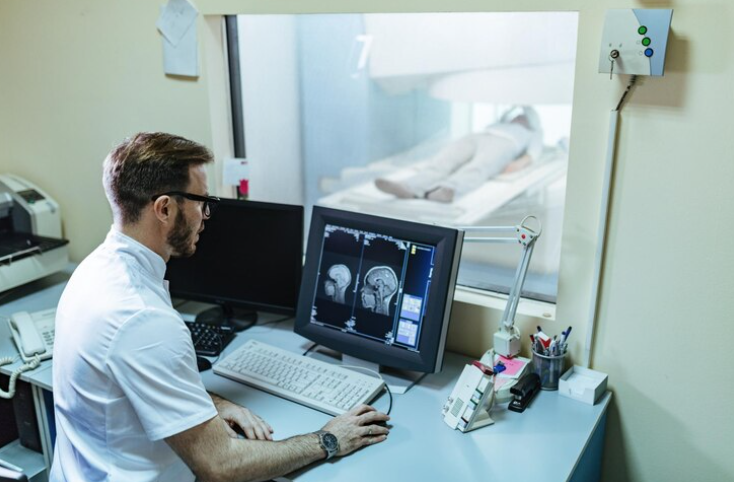
- Review of images by medical professionals
Most imaging procedures are quick and painless. X-rays and ultrasounds usually take only a few minutes, while CT scans may require slightly more time. Once the images are captured, doctors review the results and discuss the findings with the patient.
Emergency imaging procedures follow strict safety protocols to protect patients. Medical professionals ensure that imaging equipment is used properly and that patients remain comfortable during the process.
How Emergency Imaging Improves Treatment Outcomes
Early diagnosis is one of the most important factors in successful medical treatment. Diagnostic imaging helps doctors identify health problems before they become more serious. This early detection allows physicians to begin treatment immediately.
Imaging technology contributes to improved treatment outcomes by:
- Detecting medical conditions at an early stage
- Allowing doctors to confirm diagnoses quickly
- Helping physicians select the most effective treatment
- Monitoring the progress of medical conditions
When doctors have clear information about a patient’s condition, they can act quickly and confidently. Accurate imaging reduces uncertainty and helps medical teams deliver the right treatment at the right time.
Emergency imaging also plays a role in preventing complications. By identifying injuries or internal conditions early, doctors can intervene before the situation worsens.
Where to Find Reliable Diagnostic Imaging Services in Houston
Choosing a medical facility with advanced imaging technology is essential during an emergency. Reliable imaging services ensure that patients receive accurate diagnosis and timely treatment.
A well equipped emergency facility should offer:
- Modern imaging equipment and diagnostic tools
- Experienced medical professionals trained in emergency care
- Fast access to imaging services without long delays
- Comprehensive emergency treatment under one roof
Access to advanced diagnostic services helps healthcare providers evaluate medical conditions quickly. When imaging services are available in the same location as emergency care, patients benefit from faster diagnosis and coordinated treatment.
For individuals seeking medical evaluation or diagnostic imaging, quick access to healthcare services can make a significant difference in treatment outcomes. Patients can also complete Patient Registration online to speed up the process before arriving at the emergency facility.
Final Thoughts: Why Fast Diagnostic Imaging Matters in Emergencies
Diagnostic imaging services play an essential role in modern emergency medicine. These technologies allow doctors to detect injuries, illnesses, and internal conditions quickly and accurately. Without imaging, many medical conditions would remain difficult to diagnose during the early stages.
Emergency imaging provides clear and detailed views of the body’s internal structures. This information allows physicians to make informed treatment decisions without unnecessary delays. When imaging services are available in an emergency room, patients benefit from faster diagnosis and immediate medical attention.
Access to advanced imaging also improves patient safety. Early detection of injuries or medical problems helps doctors provide the correct treatment before complications develop. By combining skilled medical professionals with modern imaging technology, emergency facilities can deliver efficient and reliable care.
Conclusion
Diagnostic imaging services are a critical component of emergency healthcare. These technologies allow medical professionals to evaluate injuries and illnesses quickly, ensuring that patients receive the correct treatment as soon as possible. By providing detailed images of the body’s internal structures, imaging tests support accurate diagnosis and effective medical care.
Emergency rooms equipped with advanced imaging technology offer significant advantages for patients experiencing sudden medical issues. Immediate access to diagnostic tools reduces waiting time and helps doctors respond quickly to urgent health concerns. With reliable imaging services and skilled medical teams, emergency facilities play a vital role in delivering fast and effective care.
FAQs
1. What are diagnostic imaging services used for?
Diagnostic imaging services are used to create visual images of the inside of the body. These images help doctors diagnose injuries, infections, and medical conditions quickly.
2. Are imaging tests safe during emergency care?
Yes, imaging tests are performed using controlled medical equipment and trained professionals. Safety procedures are followed to protect patients during every diagnostic procedure.
3. How long does an emergency imaging test take?
The duration depends on the type of test being performed. X-rays and ultrasounds usually take only a few minutes, while CT scans may require slightly more time.
4. Do imaging services help doctors treat injuries faster?
Yes, imaging allows doctors to identify the exact cause of symptoms quickly. This information helps physicians develop accurate treatment plans without delays.
5. Can emergency rooms perform multiple imaging tests if needed?
Yes, emergency rooms often have advanced imaging equipment that allows doctors to perform different types of diagnostic tests depending on the patient’s condition.