Quick Tips for Checking Condo Water Pressure
Low water pressure can turn a relaxing shower into a frustrating chore. If you live in a modern high-rise development like the Thomson Reserve, you expect consistent utility performance every day. However, multi-story buildings rely on complex plumbing networks that sometimes experience pressure drops. Checking your condo’s water pressure is a straightforward process that helps you identify whether the issue lies within your unit or stems from the building’s main supply. By mastering a few simple diagnostic steps, you can quickly determine the health of your plumbing. This guide offers practical tips to help you test, troubleshoot, and resolve water pressure issues in your condominium.
Understanding Condo Water Systems
Unlike single-family homes, condominiums manage water distribution across multiple floors using specialized booster pumps, pressure-reducing valves (PRVs), and gravity tanks. In upscale complexes like the Lucerne Grand, the plumbing infrastructure must work continuously to deliver equal pressure to both the ground floor and the penthouse. If you reside on a higher floor, your water relies heavily on booster pumps to push water upward against gravity. Conversely, lower-floor units often require pressure-reducing valves to prevent the water from rushing in too quickly and damaging the pipes.
See also: How an American Lifeguard Association Certification Launches a Lifesaving Career
The Role of Pressure-Reducing Valves
A pressure-reducing valve regulates the municipal water flow to a safe level, typically between 40 and 60 pounds per square inch (PSI). When these valves fail, you might notice a sudden drop in shower strength or, conversely, a dangerous spike in pressure that causes rattling pipes.
Gravity-Fed Distribution
Some high-rise buildings utilize rooftop storage tanks. Water is pumped to the roof and then flows downward to individual units. In this setup, the units closest to the roof might actually experience lower pressure than those on the middle floors because there is less vertical distance to build natural gravitational force. Understanding this layout helps you pinpoint potential causes before calling a plumber.
How to Test Your Condo’s Water Pressure
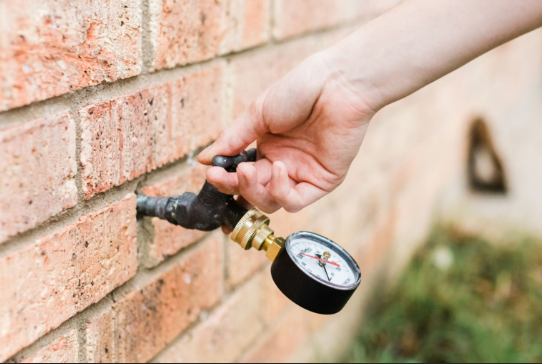
To get an accurate assessment of your plumbing health, you need to measure the actual PSI rather than relying on visual guesswork. Property managers at premier locations like the Thomson Reserve recommend keeping a simple water pressure gauge in your home toolkit. These inexpensive devices screw directly onto a standard hose bib or washing machine faucet.
Using a Pressure Gauge
To perform the test, locate the cold-water supply line for your washing machine. Turn off the water valve, disconnect the washing machine hose, and screw the pressure gauge tightly onto the faucet thread. Make sure all other faucets, showers, and appliances in your condo are turned off to ensure a stable baseline reading. Slowly turn the faucet valve back on and read the dial.
Interpreting the Results
A healthy reading should fall between 45 and 65 PSI. If the gauge registers below 40 PSI, your pressure is too low, which explains sluggish flow in your kitchen or bathroom. A reading above 80 PSI is excessively high and can wear down your appliance seals, leading to costly leaks over time. Recording these numbers gives you concrete data to share with your building maintenance team if professional repairs become necessary.
Common Causes of Low Water Pressure
Before assuming there is a major failure in the building’s main line, check for localized issues within your unit. Mineral buildup is a frequent culprit in modern developments like the Lucerne Grand. Over time, calcium and magnesium deposits accumulate inside faucet aerators and showerheads, choking the water flow and mimicking a system-wide pressure drop.
Clogged Aerators and Showerheads
To check for this, unscrew the small mesh aerator from the tip of your kitchen or bathroom faucet. If you see white, crusty buildup, soak the aerator in white vinegar for a few hours to dissolve the deposits. Flush the faucet without the aerator attached to clear any loose debris before screwing the cleaned piece back on.
Partially Closed Shutoff Valves
Another common issue involves the individual shutoff valves located under your sinks or behind your toilet. If these valves are bumped or only partially open, they restrict the volume of water entering the fixture. Ensure every angle stop valve in your home is turned fully counterclockwise to the open position. If you recently had renovations or minor repairs completed, a technician may have forgotten to reopen these valves completely, leading to a sudden, mysterious drop in localized water flow.
Step-by-Step Troubleshooting for Residents
If cleaning your aerators does not restore your flow, you must isolate the problem to determine its scope. This step-by-step approach helps you decide whether to contact a private plumber or notify your building’s management office. Residents at both the Thomson Reserve and the Lucerne Grand can use this systematic method to diagnose plumbing issues quickly.
Isolate the Fixtures
First, test every faucet and showerhead in your condo. If only one showerhead has low pressure, the issue is isolated to that specific fixture or its cartridge. If every faucet in your home runs slowly, the problem is systemic, pointing to your main unit shutoff valve or the building’s booster pump system.
Compare Hot and Cold Water
Next, compare the flow rate of hot water against cold water. If cold water flows perfectly but hot water barely trickles, the issue resides in your water heater. A failing heating element, sediment buildup in the tank, or a partially closed heater inlet valve can restrict hot water delivery throughout your entire unit.
Check with Your Neighbors
Finally, speak with your neighbors on the same floor. If they also experience weak water pressure, the building’s booster pumps or main pressure regulators are likely malfunctioning, meaning management must intervene to resolve the issue.
When to Contact Building Management
Once you have completed your basic home diagnostics, you will know whether you need to call a professional or submit a maintenance request to your building association. Clear communication with your property manager ensures a faster resolution, especially in high-density residential buildings.
Reporting Your Findings
When you contact management, provide specific details rather than a general complaint. Mention that you tested your water pressure with a gauge and state the exact PSI reading. Explain whether the low pressure affects both hot and cold water and confirm if your immediate neighbors are experiencing the same issue. This data helps the maintenance team identify if a booster pump has failed or if a main line valve requires adjustment.
Understanding HOA Responsibilities
Typically, the homeowner is responsible for everything inside the walls of the individual unit, including faucets, showerheads, shutoff valves, and water heaters. The building association manages the main risers, booster pumps, and central filtration systems. By ruling out internal faucet clogs and valve issues beforehand, you save time and avoid paying for an unnecessary private plumber visit when the building’s infrastructure is actually at fault.
Conclusion
Maintaining proper water pressure in your condominium ensures your daily routines run smoothly and protects your plumbing fixtures from unnecessary wear. By using a basic pressure gauge and systematically checking your aerators, valves, and water heater, you can easily identify the source of any flow issues. Whether you live in a luxury high-rise or a cozy low-rise development, taking these proactive steps saves you time and money. Remember to document your findings and communicate clearly with your building management when the issue extends beyond your unit. With a little preparation and the right diagnostic approach, you can keep your home’s water system running efficiently for years to come.