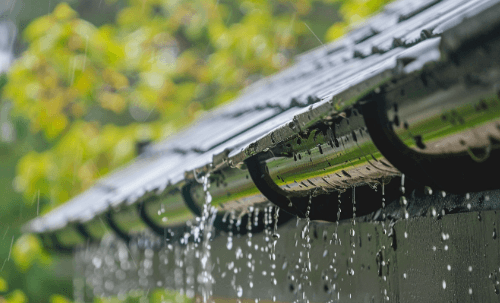
How Spring Rain Reveals Weak Seams on Low-Slope Roof Systems
Spring in the mountains is a bit of a double-edged sword. While we all love seeing the snow melt and the first bits of green peeking through, that transition period puts your home through a massive stress test. If you own a building with a low slope or flat roof, this is the time of year when reality sets in. Hiring a roof repair Park City inspector during this thaw is the smartest move a homeowner can make to catch small issues before they become five-figure disasters. Most people do not realize that their roof is struggling until they see a brown spot on the ceiling, but the signs were likely there weeks ago.
The Unique Stress of Low-Slope Roofing
Flat and low-slope roofs do not have the luxury of gravity that steep-pitched roofs enjoy. On a standard shingled roof, water hits and immediately runs off into the gutters. On a low-slope system, water tends to linger. When we get those heavy spring downpours, the water can “pond” or sit in low spots for days.
This standing water puts constant hydraulic pressure on the roof surface. If there is even a microscopic gap in a seam, that sitting water will eventually find its way in. While materials like TPO, EPDM, and modified bitumen are designed to be waterproof, they are only as strong as the seams that hold them together. Spring rain acts like a detective, finding the exact spot where the installer cut a corner or where age has started to take its toll.
Why Seams Fail During the Thaw
You might wonder why a roof that stayed dry all winter is suddenly leaking in April. The answer usually lies in the freeze and thaw cycle. During the winter, ice builds up in the nooks and crannies of your roof. As that ice expands, it physically pries at the seams and flashing.
Once the spring rain hits, it lubricates those tiny cracks. Because the water is heavier than air, it pushes into those separations. On a low-slope system, the seams are often chemically welded or taped together. Over time, the heat of the sun and the cold of winter cause these materials to expand and contract at different rates. Eventually, the bond breaks. A seam that looks perfectly fine to the naked eye can actually be “open” enough to let gallons of water into your insulation.
The Hidden Danger of Saturated Insulation
The biggest problem with low-slope roof leaks is that you often do not know they are happening until the damage is extensive. In a pitched roof, a leak usually travels down a rafter and drips onto the floor. In a flat roof, the water often gets trapped in the layers of rigid foam insulation.
This insulation acts like a giant sponge. It can hold a massive amount of water before a single drop ever hits your drywall. By the time you see a leak inside, your roof deck might already be rotting or growing mold. This is why spring inspections are so critical. A professional can walk the roof and feel for “soft spots” that indicate the insulation underneath has been compromised by failing seams.
Identifying Common Weak Points
It is not just the long straight seams that fail. Most leaks happen at “penetrations” or transitions. This includes spots where vents come through the roof, where the roof meets a parapet wall, or around the drainage scuppers.
Rainwater is naturally directed toward the drains, but if the seal around that drain is cracked, the water goes under the membrane instead of down the pipe. During a heavy spring storm, these areas are under the most stress. If you see water backing up or “swirling” near a drain, it means the system is working hard, and any weakness in the surrounding membrane will be exploited immediately.
See also: Critical Home Plumbing Problems That Demand Professional Expertise
Proactive Maintenance vs. Reactive Repair
Waiting for a leak to show up is the most expensive way to manage a roof. When you catch a seam failure early, a technician can often perform a simple patch or re-weld the area for a few hundred dollars. If you wait until the insulation is soaked, you are looking at a “tear off,” where large sections of the roof must be replaced to get rid of the moisture.
Checking your roof after the first big rain of the season is a habit that saves homeowners thousands. Look for bubbles in the membrane, areas where the edges are curling, or spots where the “caulk” or sealant looks cracked and dry. These are the red flags that tell you the next storm could be the one that breaks through.
Final Word
Taking care of your home means staying one step ahead of the weather. If you suspect your roof is holding onto water or you have noticed a small damp spot after the last storm, do not wait for it to get worse. Calling a roof repair Park City inspector to walk your roof and check those seams can give you peace of mind for the rest of the year. A little bit of maintenance today prevents a massive headache tomorrow.