Deep Cleaning vs. Standard Cleaning: What Your Office Really Needs
Building a healthy, sanitized, and professional-looking work environment is essential for productivity, employee well-being, and overall business performance. While most workplaces rely on routine cleaning to stay visually tidy, many don’t realize that deeper issues—such as hidden bacteria, allergens, and buildup—can accumulate over time and impact the entire workspace. Understanding the difference between standard cleaning and deep cleaning is the key to choosing the right level of care for your facility. Each service plays a unique role in protecting your team’s health, supporting workplace efficiency, and preserving a polished business image. By exploring the strengths of both cleaning methods, you can make informed decisions that keep your office consistently clean, safe, and operating at its highest standard.
Understanding the Core Difference
What Standard Cleaning Covers
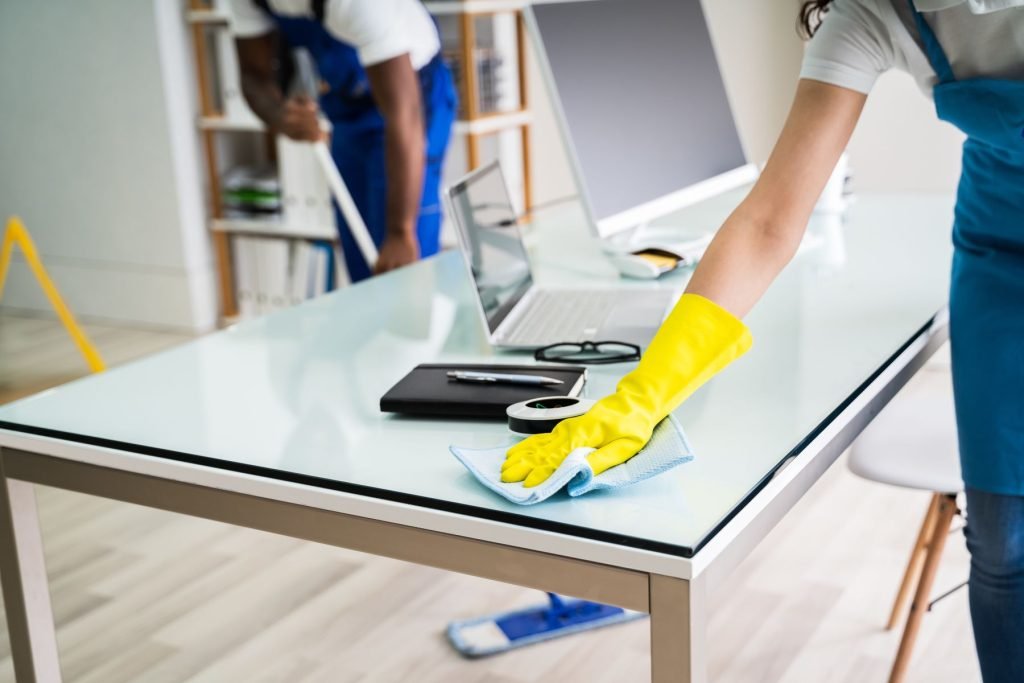
Standard cleaning focuses on routine tasks that keep your office looking presentable on a day-to-day basis. These services typically include dusting, vacuuming, emptying trash bins, and wiping down visible surfaces. While essential, standard cleaning does not address the deeper layers of buildup that accumulate in high-touch and hard-to-reach areas. Over time, those overlooked spaces can harbor bacteria, allergens, and grime, affecting workplace health. This establishes standard cleaning as a solid baseline, but it’s not a complete long-term solution.
Why Deep Cleaning Goes Further
Deep cleaning provides a far more thorough approach by targeting areas that regular cleaning barely touches. It includes disinfecting high-contact points, cleaning behind furniture, sanitizing break rooms, and removing dirt from carpet fibers. This level of detail helps eliminate pathogens, allergens, and odors that standard cleaning simply cannot reach. Businesses often notice improvements in workplace hygiene and employee comfort within days. For healthier, more professional work environments, deep cleaning is essential several times a year.
Which Option Fits Your Office Right Now
Determining whether your business needs standard or deep cleaning depends on foot traffic, industry, and recent office conditions. Offices with frequent visitors or shared equipment often require more intensive cleaning cycles. When employees begin noticing odors, dust buildup, or sticky surfaces, it’s a clear sign that deeper maintenance is needed. A professional assessment can help identify the ideal cleaning frequency based on office activity levels. Choosing the correct service ensures you’re investing money efficiently and maintaining a polished workplace image.
Deep Cleaning Benefits Your Team’s Health
Reduces Germ Spread
Deep cleaning removes layers of germs that accumulate on desks, keyboards, door handles, and shared equipment. Standard cleaning may wipe these surfaces, but deep cleaning thoroughly disinfects them to reduce illness-causing bacteria. This leads to fewer colds, fewer sick days, and a healthier workspace overall. When your office stays cleaner at the microscopic level, employees feel better, and productivity naturally increases. A cleaner workplace equals more consistent performance across every department.
Improves Indoor Air Quality
Dust, allergens, and microscopic particles settle in carpets, vents, and upholstery—areas standard cleaning rarely addresses fully. Deep cleaning extracts these pollutants, improving indoor air quality and making it easier to breathe throughout the workday. Cleaner air helps reduce headaches, allergies, and fatigue among staff. With improved air quality, employees often feel more energized and focused on their tasks. This health-forward environment boosts morale and enhances long-term workplace satisfaction.
Creates a Safer Work Environment
A clean office isn’t just about appearance—it directly impacts employee and visitor safety. Deep cleaning prevents slips and falls, reduces dust buildup, and removes bacteria from food prep areas. When your workplace is thoroughly sanitized, the risk of cross-contamination and workplace illness decreases dramatically. Employees notice and appreciate when their workspace is cared for at this level. This commitment to health and safety builds trust and reinforces a professional company image.
Standard Cleaning Still Matters
Maintains Day-to-Day Cleanliness
Even though it’s not as detailed, standard cleaning provides the essential upkeep every office requires. Daily tasks like vacuuming, trash removal, and surface wiping keep your space tidy and organized. These routine efforts prevent dust and clutter from accumulating over time. They also contribute to a positive first impression for visiting clients or partners. Without consistent standard cleaning, even a deeply cleaned office quickly becomes dirty again.
Supports a Professional Appearance
A well-maintained workplace communicates reliability, attention to detail, and professionalism. Employees and guests immediately notice when spaces are dust-free, organized, and freshly cleaned. Regular cleaning ensures your office never appears neglected or poorly maintained. These impressions influence how customers perceive your brand and your company culture. Standard cleaning keeps your office polished every day.
Prepares Your Office for Deeper Services
Standard cleaning also helps set the stage for more effective deep cleaning sessions. When professionals don’t have to spend time on basic tidying, they can focus on intense sanitization and detail work. This improves the efficiency of your overall cleaning schedule and helps you get the most from your investment. A consistent routine also helps cleaning teams identify areas needing deeper attention. Together, both types of services create a superior long-term maintenance strategy.
The Critical Role of Air Filters in Office Cleanliness
How Air Filters Support a Cleaner Workspace
Air filters remove dust, allergens, and airborne contaminants that constantly circulate in office environments. When filters are clean and sized correctly, they trap pollutants that standard cleaning cannot reach. This helps reduce dirt settling on surfaces and improves overall indoor air quality. Cleaner air means fewer respiratory issues and a more comfortable workplace for everyone. Furnace air filters act as a silent but powerful layer of office cleanliness.
Why Dirty Filters Make Offices Dirtier
When air filters become clogged, dust and debris are pushed back into your office rather than captured. This leads to more dust on desks, carpets, electronics, and shared areas—a dirty filter forces HVAC systems to work harder, circulating pollutants throughout the workspace. Employees may experience more allergies, headaches, or breathing discomfort. Staying on top of air filter maintenance is fundamental for your cleaning routine.
Pairing Air Filters With Deep Cleaning
Combining fresh air filters with scheduled deep cleaning produces significantly better results. Deep cleaning removes built-up particles, while upgraded filtration prevents contaminants from returning quickly. This combination helps maintain a healthy, professional-looking office for more extended periods. Businesses with high traffic or older HVAC systems benefit even more from coordinated cleaning and filtration. Together, these strategies support a cleaner, safer, and more efficient workplace.
Choosing What Your Office Really Needs
Assess Your Current Conditions
The best way to decide between standard and deep cleaning is to evaluate your current office environment. Look for signs like dust accumulation, stained carpets, odors, or sticky surfaces in high-touch areas. These indicators reveal whether routine cleaning has fallen short. A professional cleaning provider can help pinpoint exactly what your office needs most. This ensures you avoid overspending while still protecting your workplace.
Consider Foot Traffic and Employee Volume
Offices with high foot traffic typically require more frequent deep cleaning. Busy workstations, shared equipment, and common areas accumulate contaminants quickly. If your office hosts clients, meetings, or large teams, deeper cleaning becomes even more essential. Regular deep cleaning demonstrates a commitment to maintaining a healthy work environment. Matching cleaning schedules to activity levels keeps operations running smoothly.
Balance Both for Best Results
The most effective office hygiene strategy includes both standard and deep cleaning services. Standard cleaning keeps surfaces looking neat every day, while deep cleaning handles the hidden grime standard tasks miss. When paired with proper air filtration, your office stays cleaner for longer. This layered approach boosts employee satisfaction, enhances office appearance, and supports a healthier workplace. Investing in both ensures your business consistently puts its best foot forward.
See also: How Modern Technology Improves Medical Evaluations
Conclusion
Both deep cleaning and standard cleaning play essential roles in creating a healthier, more professional, and more productive office environment. While standard cleaning maintains daily order and visual appeal, deep cleaning tackles the hidden grime, bacteria, and buildup that affect long-term workplace wellness. Pairing both services with proper air filter maintenance ensures your office benefits from cleaner air, fewer allergens, and a noticeably fresher atmosphere. By assessing your workspace, foot traffic, and employee needs, you can define the right cleaning plan to keep your environment running efficiently. Investing in a strategic cleaning plan doesn’t just protect your facility—it strengthens employee morale, enhances your brand image, and ensures your office always delivers its best impression.