How to Carry Out a Fire Risk Assessment in the Workplace
Carrying out a fire risk assessment in the workplace is a crucial responsibility for employers and business owners. It helps identify potential fire hazards, assess risks, and implement effective control measures to protect employees, visitors, and property. A properly conducted fire risk assessment not only supports legal compliance but also reduces the likelihood of fire-related incidents and business disruption. Understanding how to carry out a fire risk assessment step by step ensures a safer working environment for everyone.
Understand the Purpose of a Fire Risk Assessment
Before starting the assessment, it is important to understand its purpose. A fire risk assessment aims to identify anything that could cause a fire, determine who may be harmed, and evaluate whether existing fire safety measures are adequate. It also helps identify improvements needed to reduce risk and improve emergency preparedness. The assessment should be carried out by a competent person with sufficient knowledge of fire safety principles and workplace hazards.
Identify Fire Hazards in the Workplace
The first practical step in carrying out a fire risk assessment is identifying fire hazards throughout the workplace. Fire hazards are typically grouped into three categories: ignition sources, fuel sources, and oxygen sources.
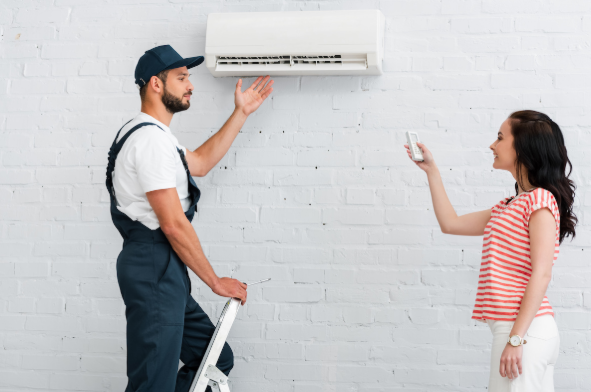
Ignition sources may include electrical equipment, machinery, heaters, cooking appliances, and open flames. Fuel sources can consist of paper, packaging materials, furniture, chemicals, flammable liquids, gases, and waste. Oxygen sources may include natural ventilation, air conditioning systems, or oxygen cylinders in specific work environments. Identifying these hazards helps determine how a fire could start and spread.
See also: Choosing a solar power companies in Ohio: Skills, Standards, and Smart Decision-Making
Identify People at Risk
Once fire hazards are identified, the next step is identifying who could be at risk if a fire occurs. This includes employees, visitors, contractors, and customers. Special attention should be given to individuals who may be more vulnerable, such as people with disabilities, elderly workers, pregnant employees, or those unfamiliar with the building.
Consider where people work, how many are present at different times, and whether any staff work alone or in high-risk areas. Understanding who is at risk ensures that fire safety measures and evacuation procedures are suitable for everyone in the workplace.
Evaluate Fire Risks and Take Preventive Measures
After identifying hazards and people at risk, the level of fire risk must be evaluated. This involves assessing how likely a fire is to occur and the potential consequences if it does. Areas with high-risk activities or flammable materials may require additional controls.
Preventive measures should then be implemented to reduce risks. These measures may include maintaining electrical systems, improving housekeeping, safely storing flammable substances, and reducing ignition sources. Where possible, hazards should be eliminated or replaced with safer alternatives.
Check Fire Safety Measures and Emergency Equipment
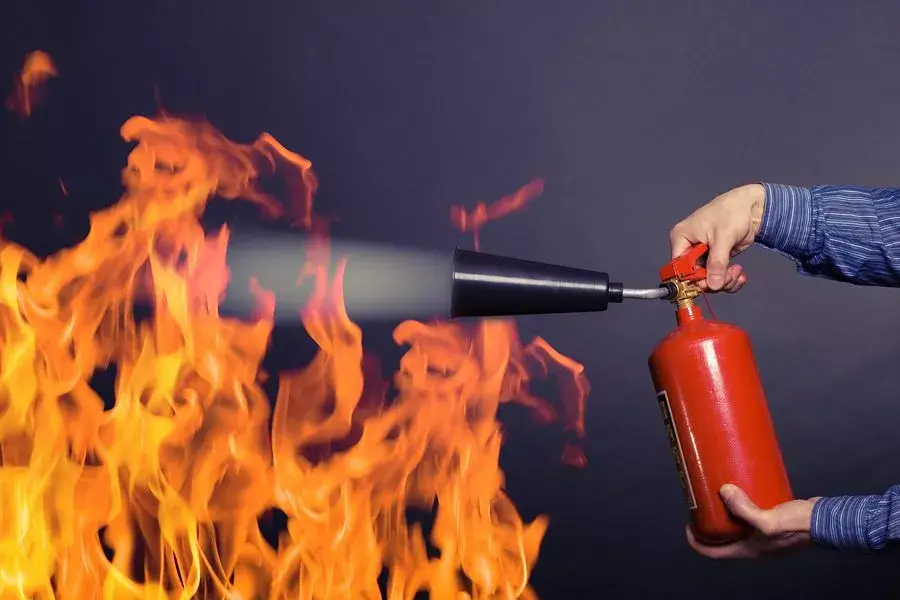
An essential part of a workplace fire risk assessment is reviewing existing fire safety measures. Fire detection and warning systems such as smoke detectors and fire alarms must be suitable, functional, and regularly tested. Firefighting equipment, including fire extinguishers and fire blankets, should be appropriate for the risks present and easily accessible.
Escape routes and emergency exits must be clearly marked, well-lit, and free from obstructions. Emergency lighting and signage should guide people safely out of the building during an evacuation.
Record Findings and Develop an Emergency Plan
Recording the findings of the fire risk assessment is an important step, especially for workplaces with multiple employees. Documentation should include identified hazards, people at risk, control measures in place, and actions required to improve fire safety.
A clear fire emergency plan should be developed and communicated to all staff. This plan should explain how to raise the alarm, evacuation procedures, assembly points, and staff responsibilities during an emergency.
Train Employees and Review Regularly
Fire safety training is essential to ensure employees understand procedures and respond correctly during emergencies. Regular training sessions and fire drills help reinforce knowledge and identify weaknesses in evacuation plans.
Fire risk assessments should be reviewed and updated regularly, particularly after changes to the workplace, such as renovations, new equipment, or changes in staff numbers.
Conclusion
Carrying out a fire risk assessment in the workplace is a vital process that protects lives, property, and business operations. By identifying hazards, assessing risks, implementing safety measures, and reviewing regularly, employers can create a safer and more compliant workplace. A thorough fire risk assessment is not just a legal requirement—it is a key element of responsible workplace safety management.