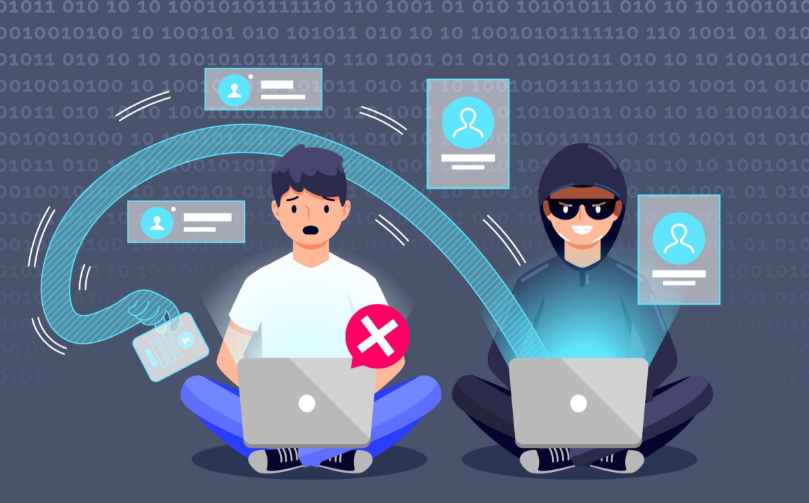
Risks of Overdependence on Technology
The risks associated with overdependence on technology merit careful examination. This reliance can lead to a notable decline in critical thinking skills, as individuals increasingly favor immediate answers over deep analysis. Furthermore, the shift from face-to-face interactions to virtual communications fosters emotional detachment, resulting in social isolation. As society grapples with these consequences, it becomes essential to explore effective strategies to mitigate the negative impacts of technology on human connection and cognitive abilities.
Understanding the Consequences of Overreliance on Technology
As society increasingly integrates technology into daily life, it becomes imperative to understand the consequences of overreliance on these tools.
Cognitive overload arises as individuals juggle multiple digital inputs, leading to reduced focus and diminished creativity. This dependence can stifle innovative thinking, ultimately constraining personal freedom and limiting the ability to engage deeply with complex ideas, essential for a vibrant, autonomous society.
How Excessive Technology Use Erodes Critical Thinking Skills
The pervasive use of technology significantly impacts the way individuals approach problem-solving and decision-making, often leading to a decline in critical thinking skills.
This reliance fosters cognitive decline, as individuals become accustomed to seeking quick answers rather than engaging in deep analysis.
Consequently, problem-solving deficits emerge, undermining the ability to evaluate situations independently and think creatively, ultimately jeopardizing personal autonomy and intellectual freedom.
How Overdependence on Technology Leads to Social Isolation
How might an overreliance on technology contribute to social isolation? This dependence can foster virtual relationships that lack genuine emotional connection, leading to increased emotional detachment.
Individuals may prioritize online interactions over face-to-face communication, diminishing their social skills and deepening isolation. Consequently, reliance on technology can create barriers to authentic human connection, undermining the fundamental need for companionship and belonging.
Strategies for Balancing Technology Use
Overdependence on technology can create significant barriers to genuine human interaction, prompting the need for effective strategies to balance its use.
Mindful consumption of digital resources encourages individuals to assess their engagement levels critically.
Implementing regular digital detox periods can further foster a healthier relationship with technology, allowing for reconnection with oneself and others, ultimately promoting freedom from the pervasive influence of screens.
Conclusion
In conclusion, the overdependence on technology presents a dual-edged sword; while it offers unparalleled access to information, it simultaneously erodes critical thinking skills and fosters social isolation. The convenience of instant answers contrasts sharply with the deep understanding that arises from thoughtful analysis. As virtual connections replace genuine human interactions, the risk of emotional detachment increases. Ultimately, striking a balance between technology use and meaningful engagement is essential to preserve cognitive autonomy and strengthen community bonds.